Hi, I'm Joe, a research assistant at the University of Sydney Business School. I am heavily addicted to Claude Code. Please send help. Until then, check out some of the things I've built.
Some of these solve problems I had, some are for fun, and some could become a business. They show how I work with AI: taking an idea all the way to something real people use.
Crashers
Best viewed on phone
Free food and drinks at free events around Sydney.
websites read daily
100+
council calendars
22
events with free food
300+
Every morning it reads over 100 websites, from councils and Eventbrite to churches, clubs and student unions. Claude keeps only the events where the host promises food or a drink, quotes the host's own words as proof, and says whether you can just walk in. Live at crashers.app, with iPhone and Android versions in testing.
The sources are 22 council calendars, Eventbrite and Humanitix, 50 churches, 25 clubs, student unions and OzBargain freebies, plus about 200 parish newsletters each weekend. The app sorts everything by date and how far away you are. I think it's the one with the most potential as a real product.
Built with an automated daily data pipeline, Python, Claude, Cloudflare Workers and maps.
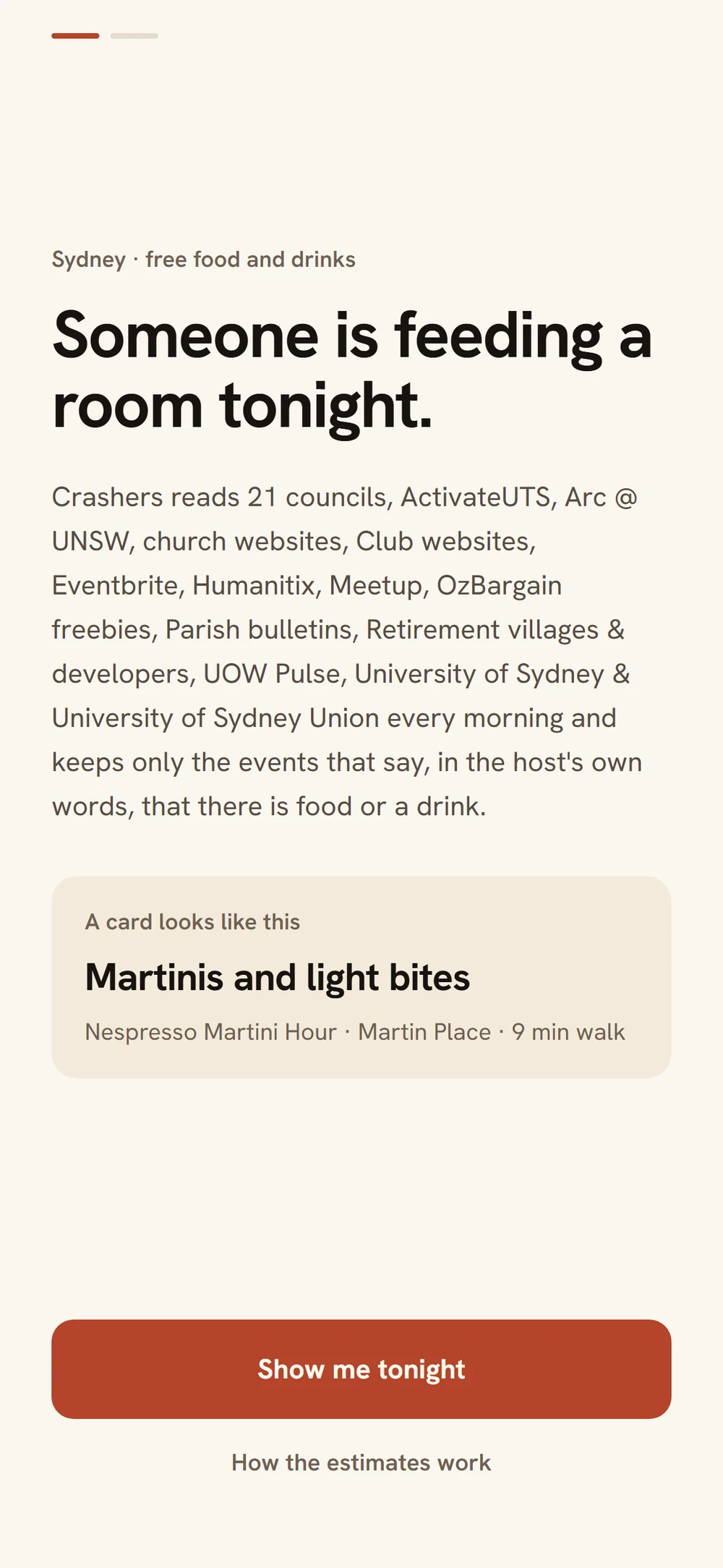
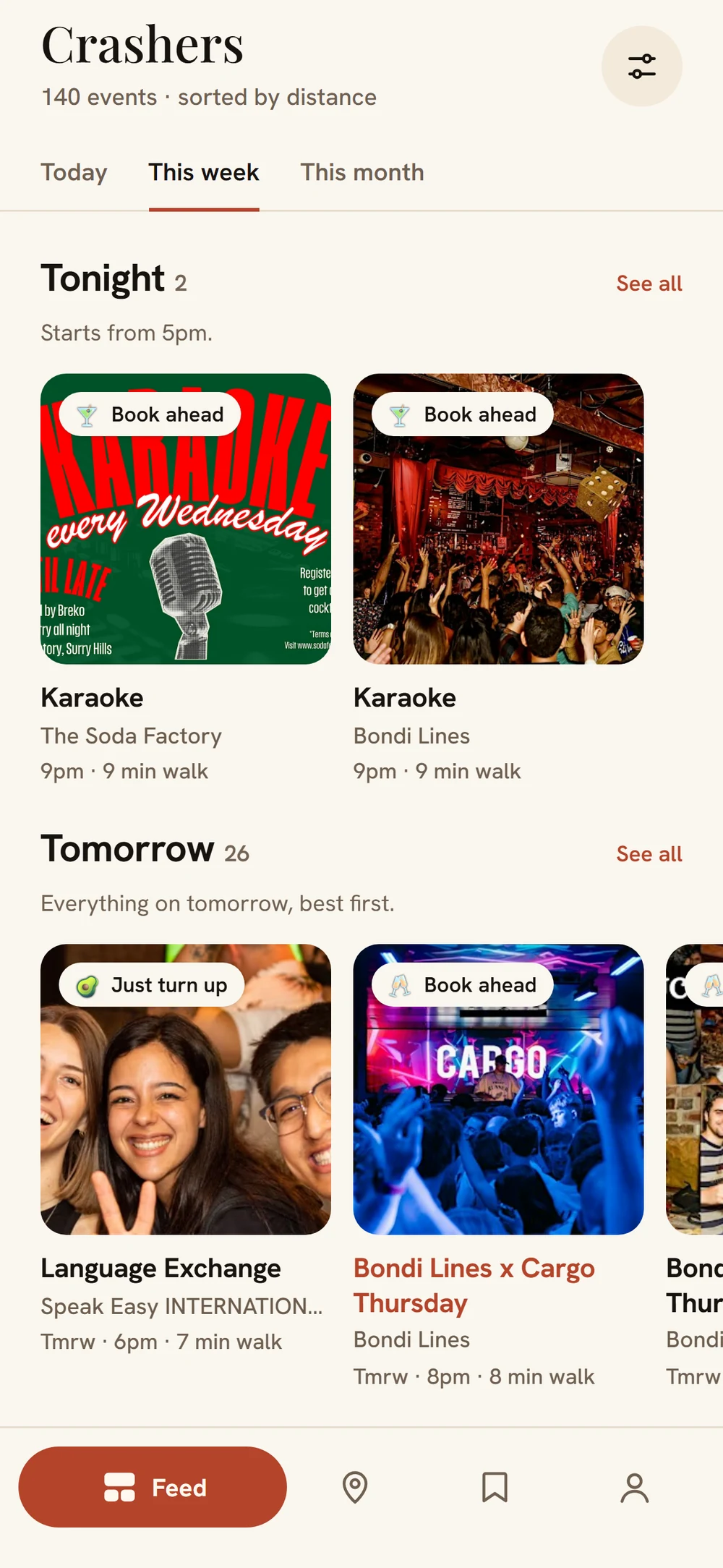
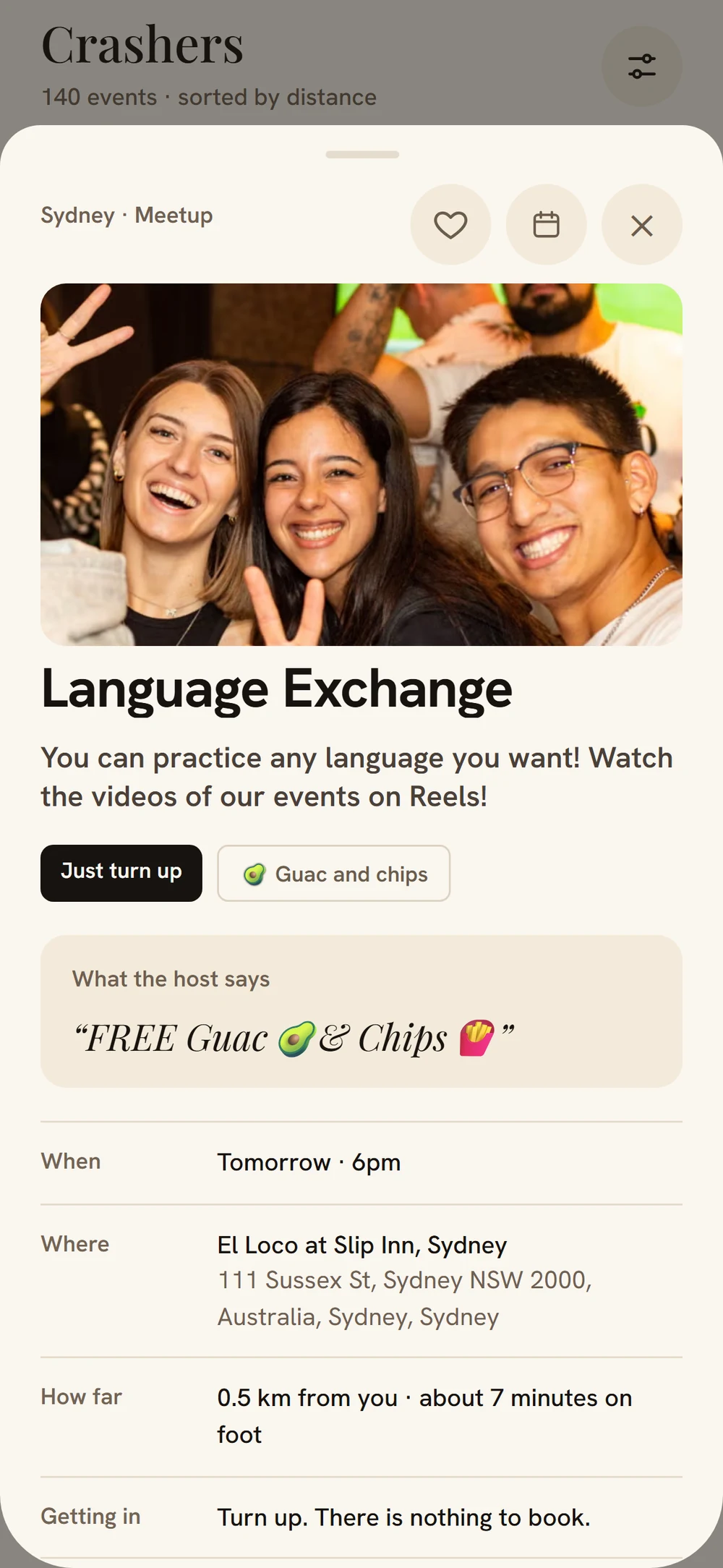
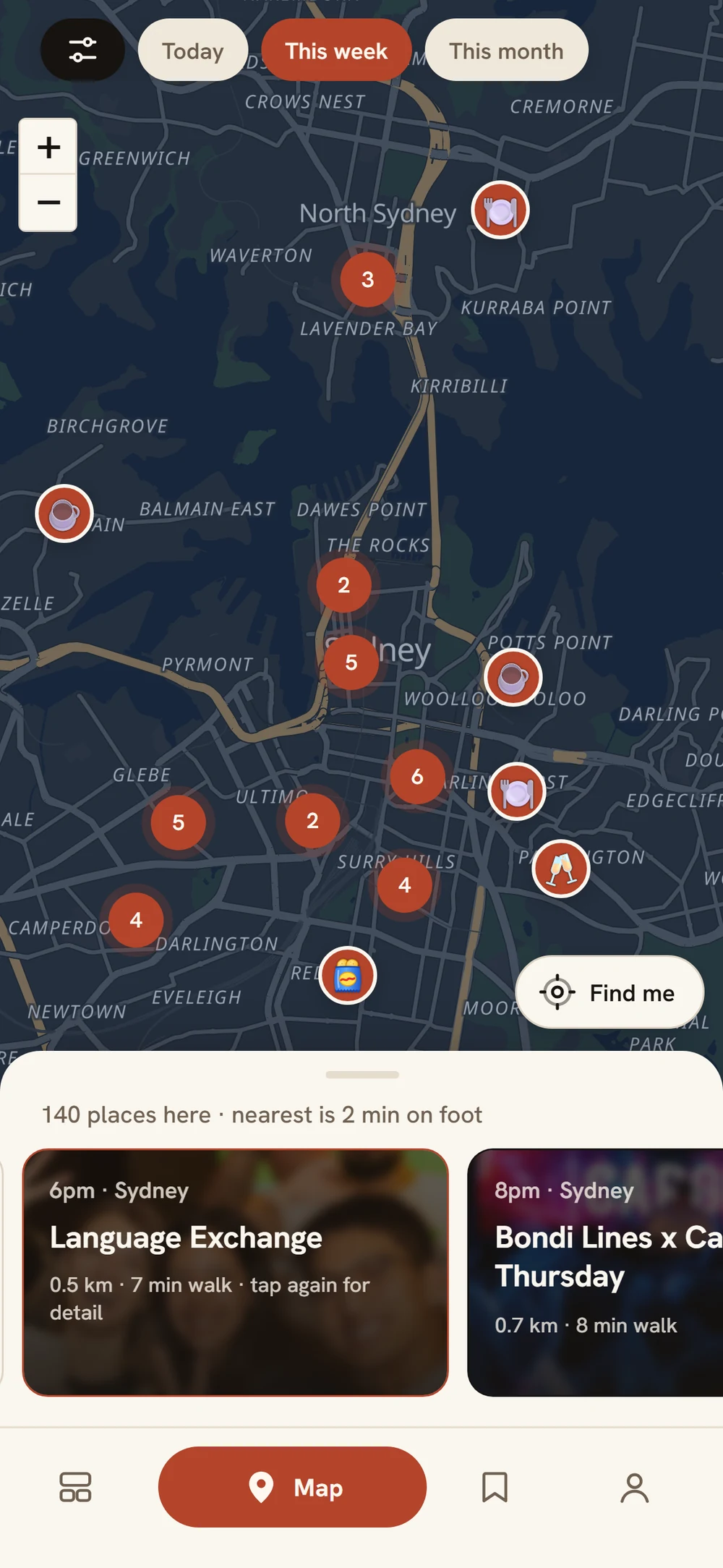
The first screen says what it's for in one line.This week's events in shelves, starting with what's on tonight.Every event quotes the host's own words as proof.Or browse it all on a map and find the nearest one.
Tend
Best viewed on phone
A to-do list where every finished task helps grow your garden.
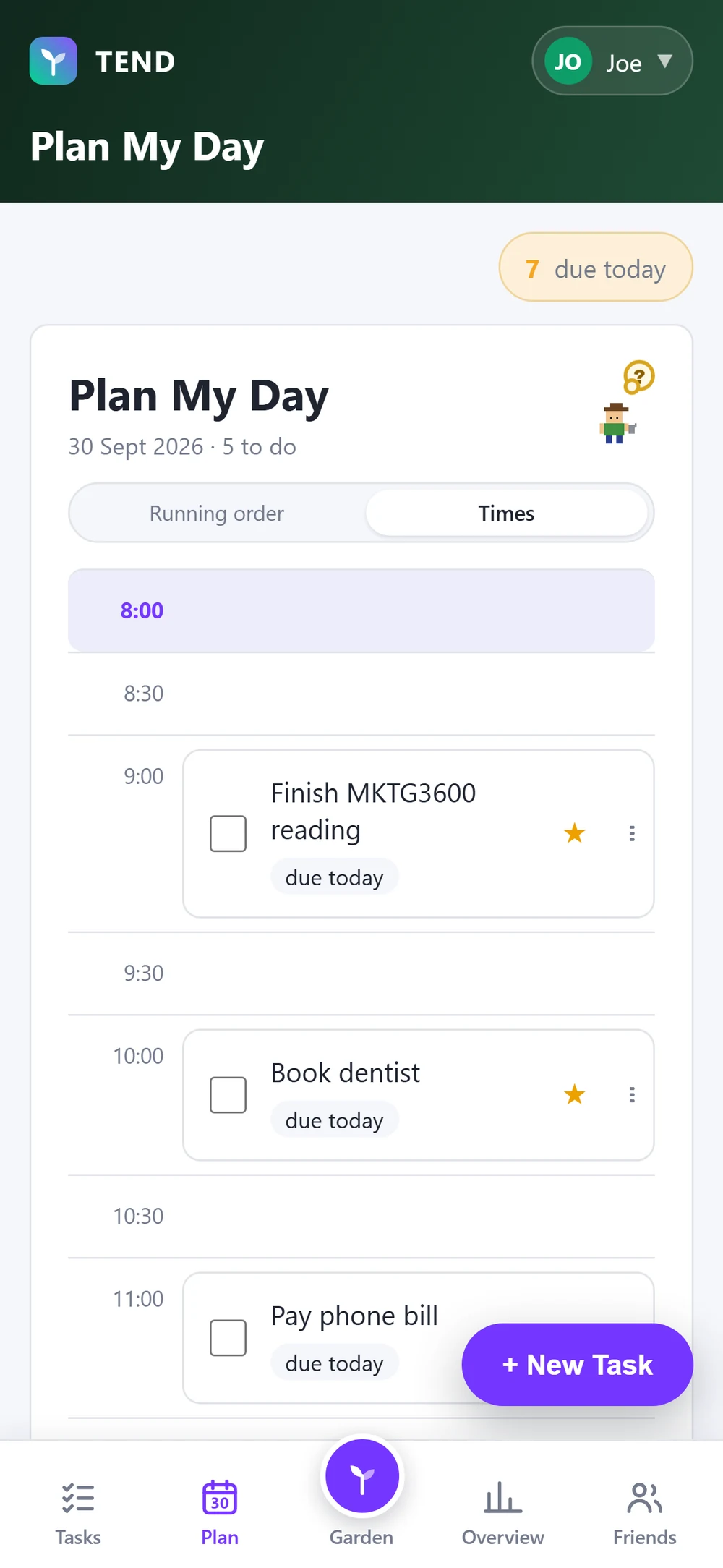
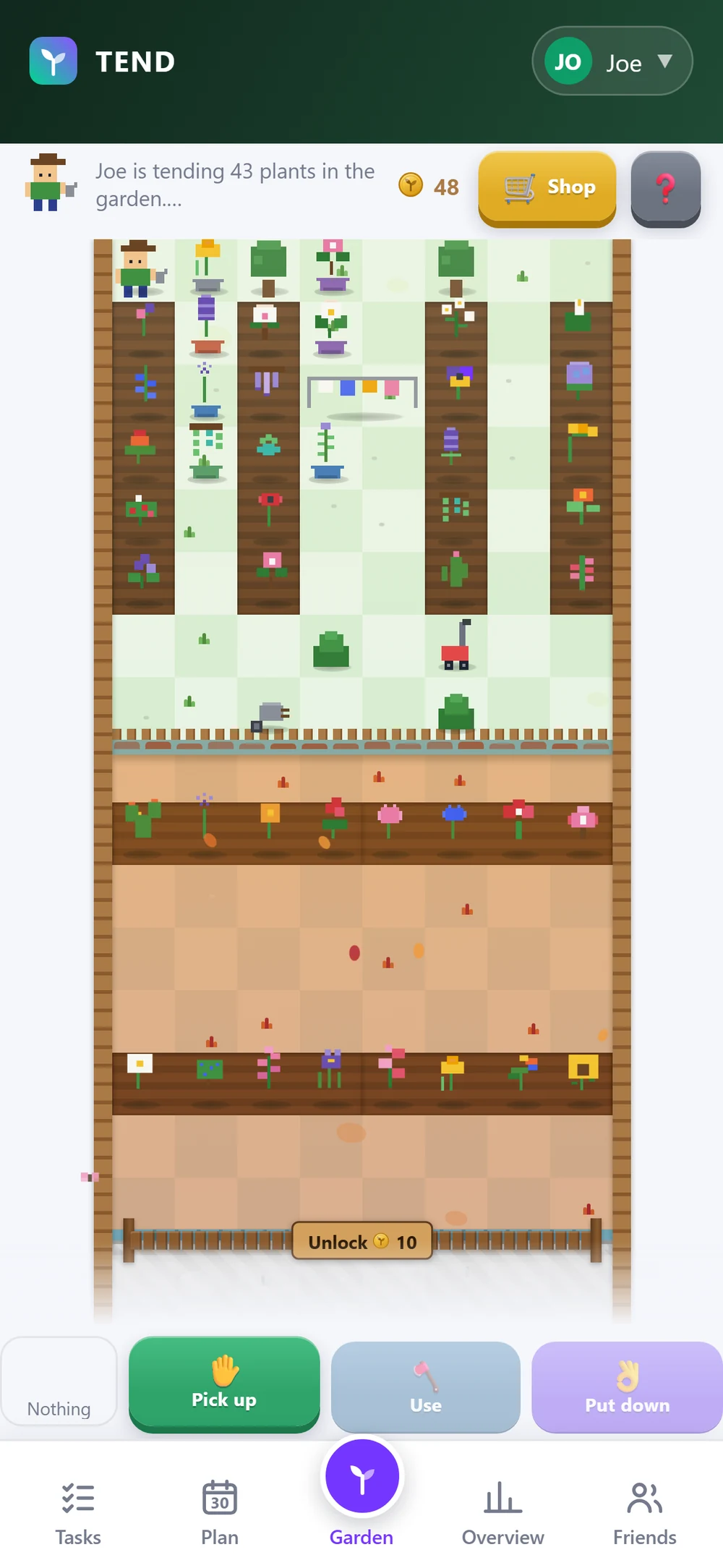
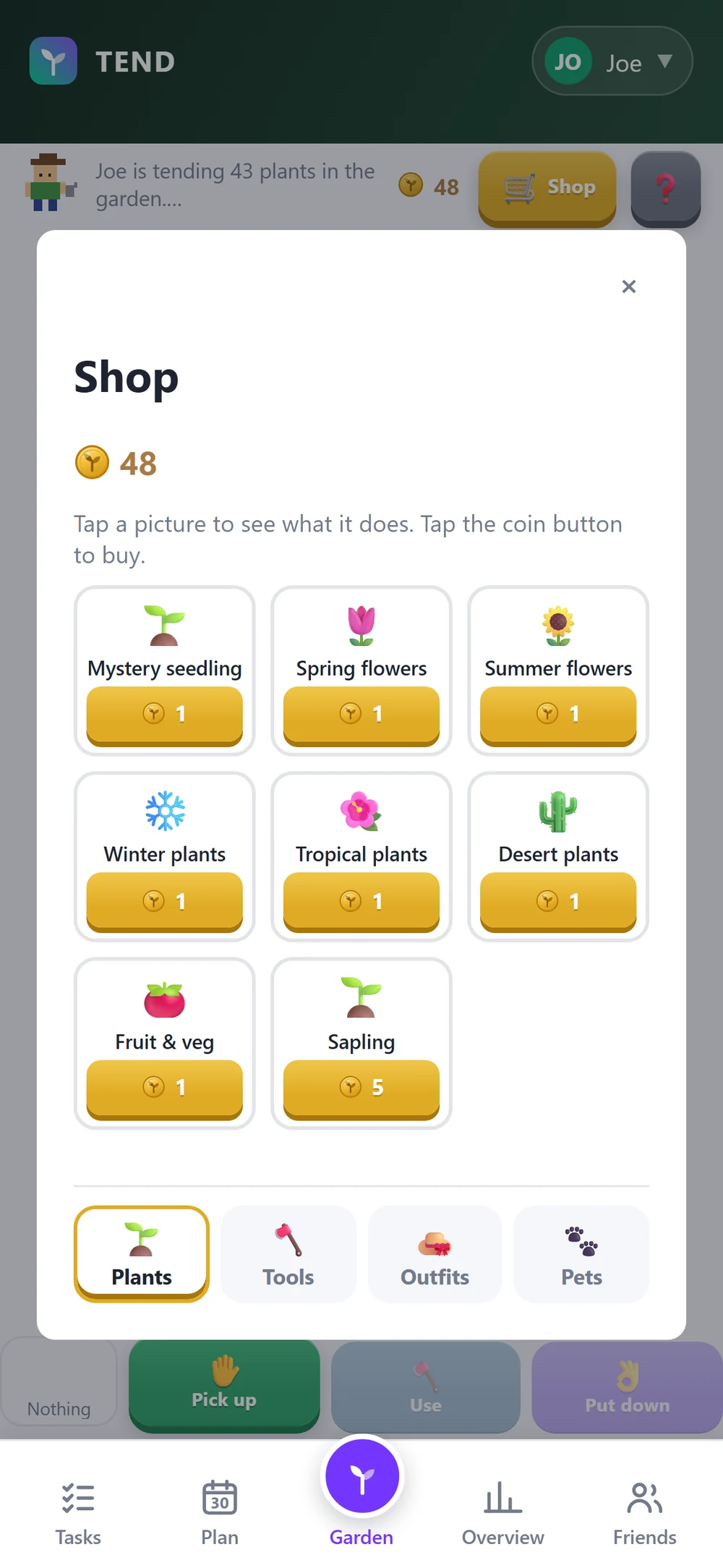
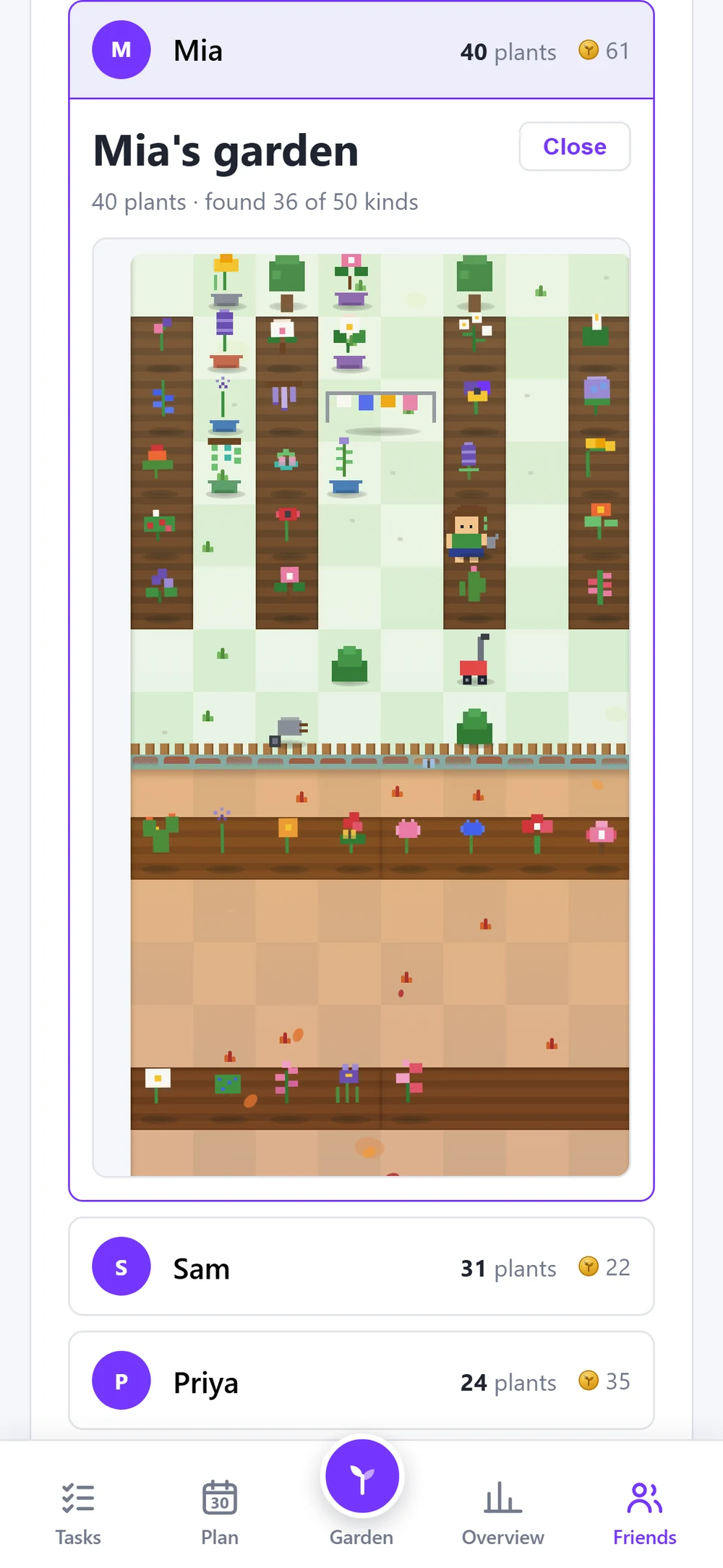
Every task you tick off earns a coin for seedlings, tools and pets in a pixel-art garden. It started as a way to get through my own list. Now my friends and I visit each other's gardens to keep each other going.
You add tasks on your phone or laptop, and you can walk around the garden they pay for. It started as a way to motivate myself to tick more items off my ever-growing list of jobs. Now my friends and I challenge each other to be productive, checking in on each other's gardens and watching them grow. It has separate Personal and Work lists, repeating tasks and a day planner.
Built with JavaScript and Supabase, as a web app you install on your phone, with accounts and cloud sync.
OfflineSaves to your phone first and syncs when you're back online
PrivateFriends see your garden, never your tasks
Built onJavaScript and Supabase. Installs to your home screen from a link
Tick off tasks, then go and walk around the garden they paid for.Plan My Day: drop each task onto a time slot.Every finished task earns a coin, and the garden fills up as you work.Spend coins on seed packs, saplings, tools, outfits and pets.Visit a friend's garden. Their tasks stay private.
This Week in the Villa
Best viewed on laptop
A weekly report on social media trends, and how brands can take advantage of them.
My sister, who works at a marketing agency, needed help seeing what's hot and what's not on social media every week, so I developed this site to give her weekly updates. Each Wednesday I press one button, and Claude finds the trends, checks the numbers and builds the site and that week's slides.
Each trend gets a status of Rising, Peaking, Steady or Past peak, so she can tell whether there's still time to join in. The site also tracks Gen Z slang through Wiktionary lookups, and past reports show when each trend first appeared.
Built with Claude, Python, Google Slides and GitHub Pages.
CheckedEvery number comes from a sound page, a post or a named round-up. If it can't be checked, it's left out
RankedTrends a brand can use any week come first, then seasonal ones
SlidesEach week also gets a Google Slides deck, ready to present
Each week leads with one finding and what's behind it.Gen Z slang, tracked by how often people look it up.The site explains its own seven steps in plain English.
Ultra Brawl
Best viewed on laptop
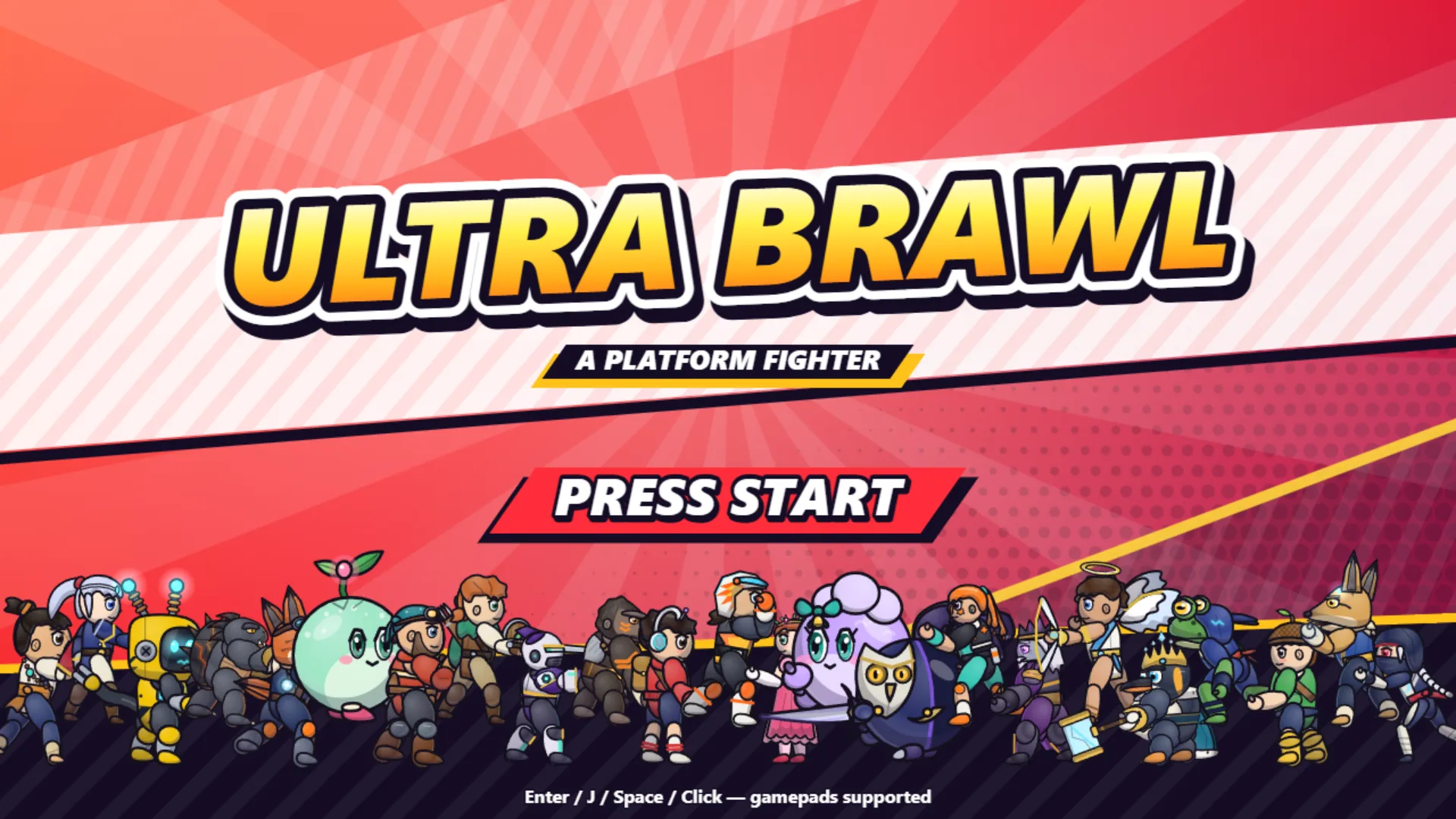
A platform fighter that runs in your browser.
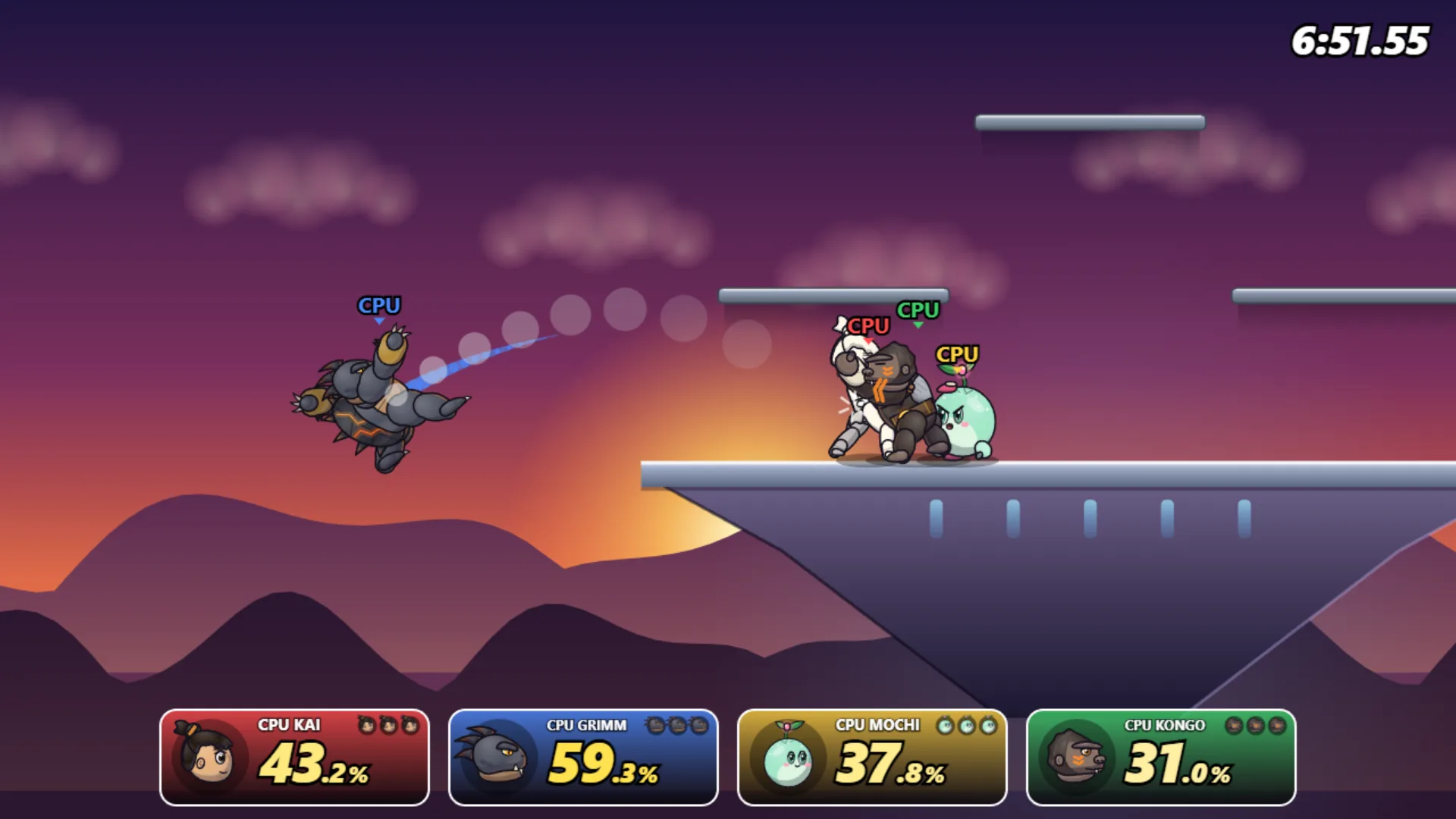
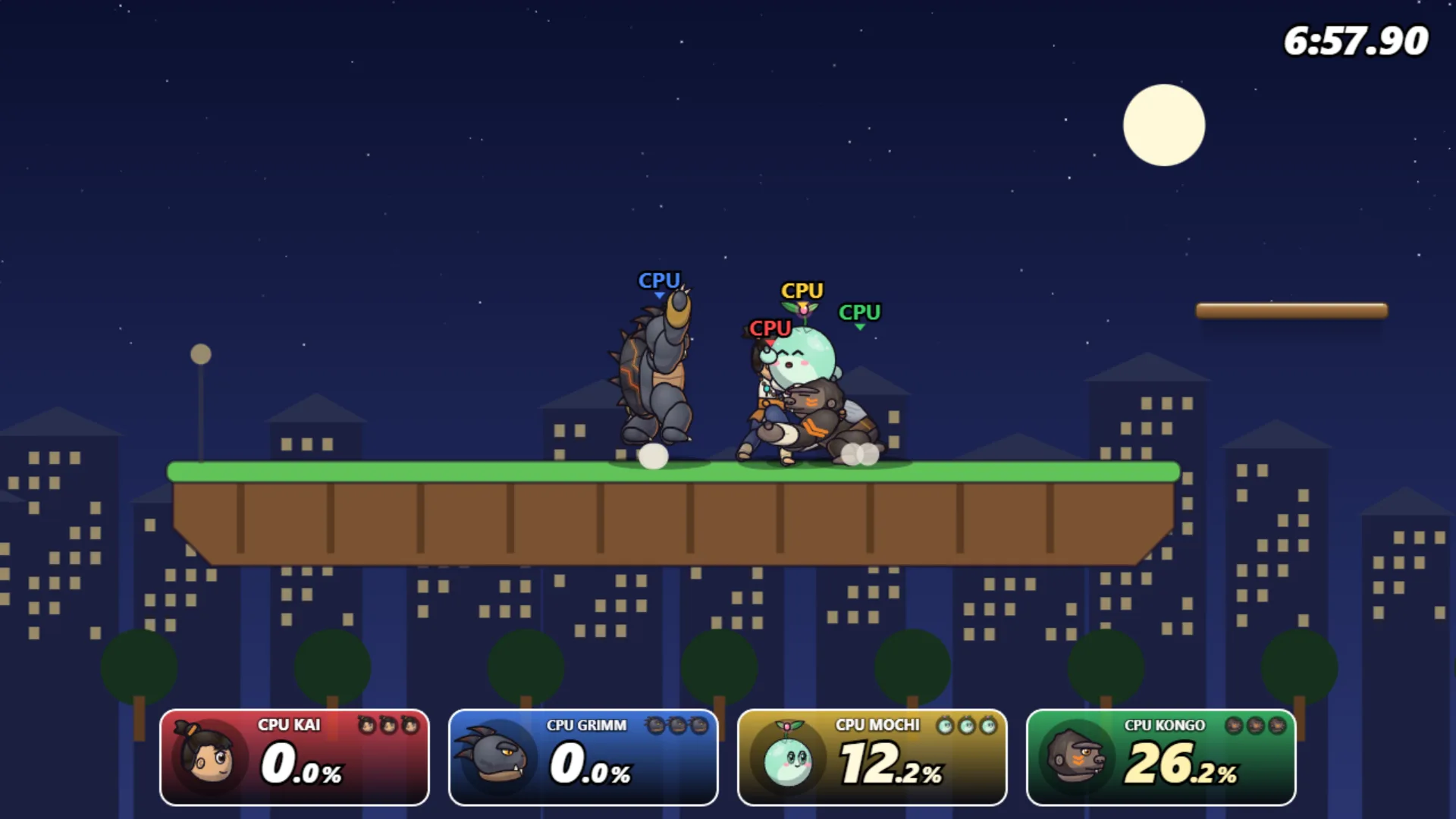
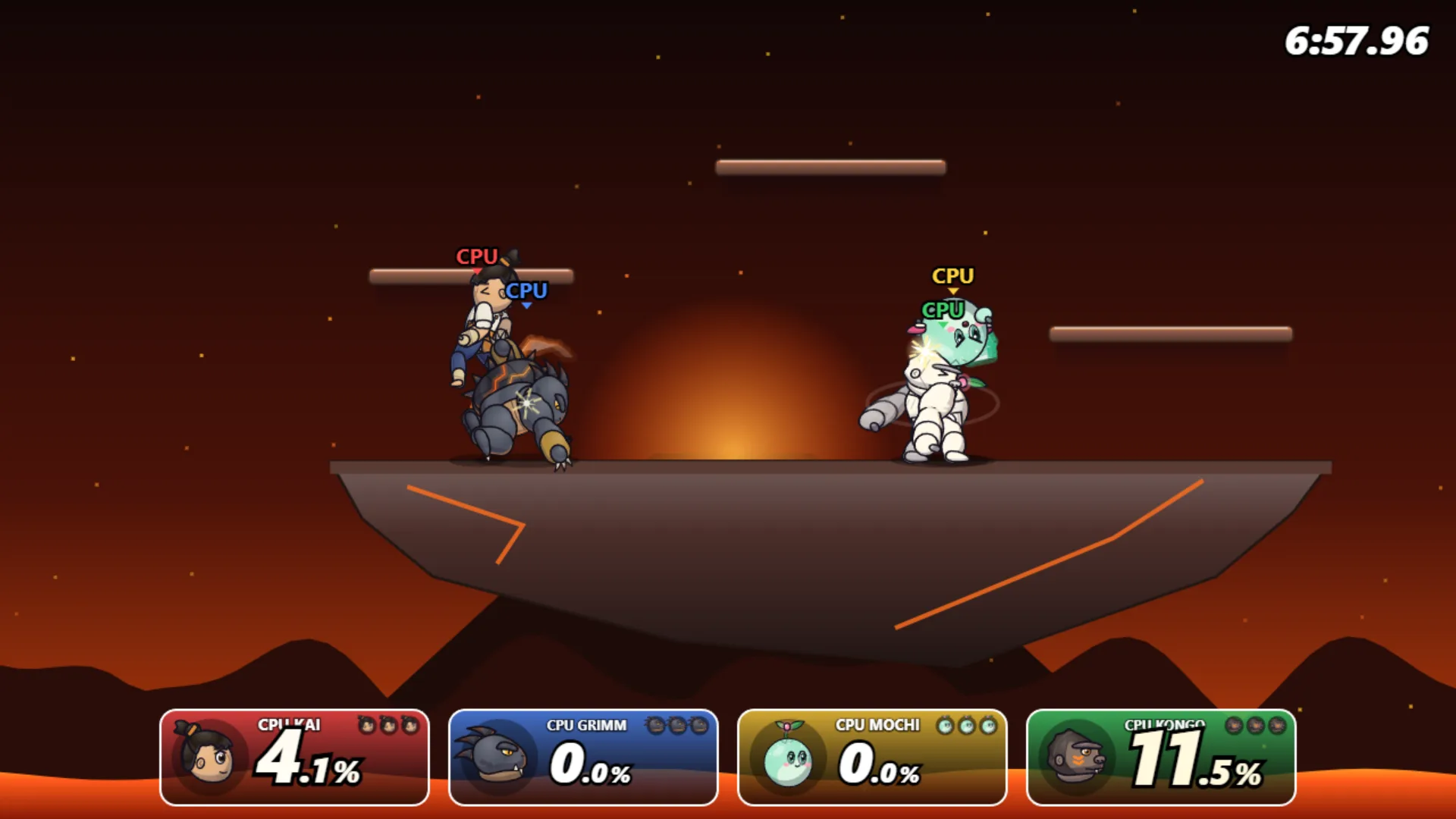
It's in the style of Super Smash Bros., with 23 fighters, 8 stages, computer opponents, and online matches against a friend with a room code.
I wanted to see how close a browser game could get to the feel of a console fighter. Every fighter has its own attacks, specials, throws and costumes. Knockback, hitstun and shields are tuned against numbers measured from Smash Ultimate, and the computer opponents pick their moves from frame data. Online, the two browsers only send each other controller inputs. Both run the same simulation frame by frame, so there's no game server.
Built with game design, a physics and combat engine, computer opponents, peer-to-peer online play and JavaScript on a canvas. It plays with a keyboard, a gamepad or touch.
The Daily Corpse
Best viewed on laptop
A trail of short murder mysteries, solo or with friends.
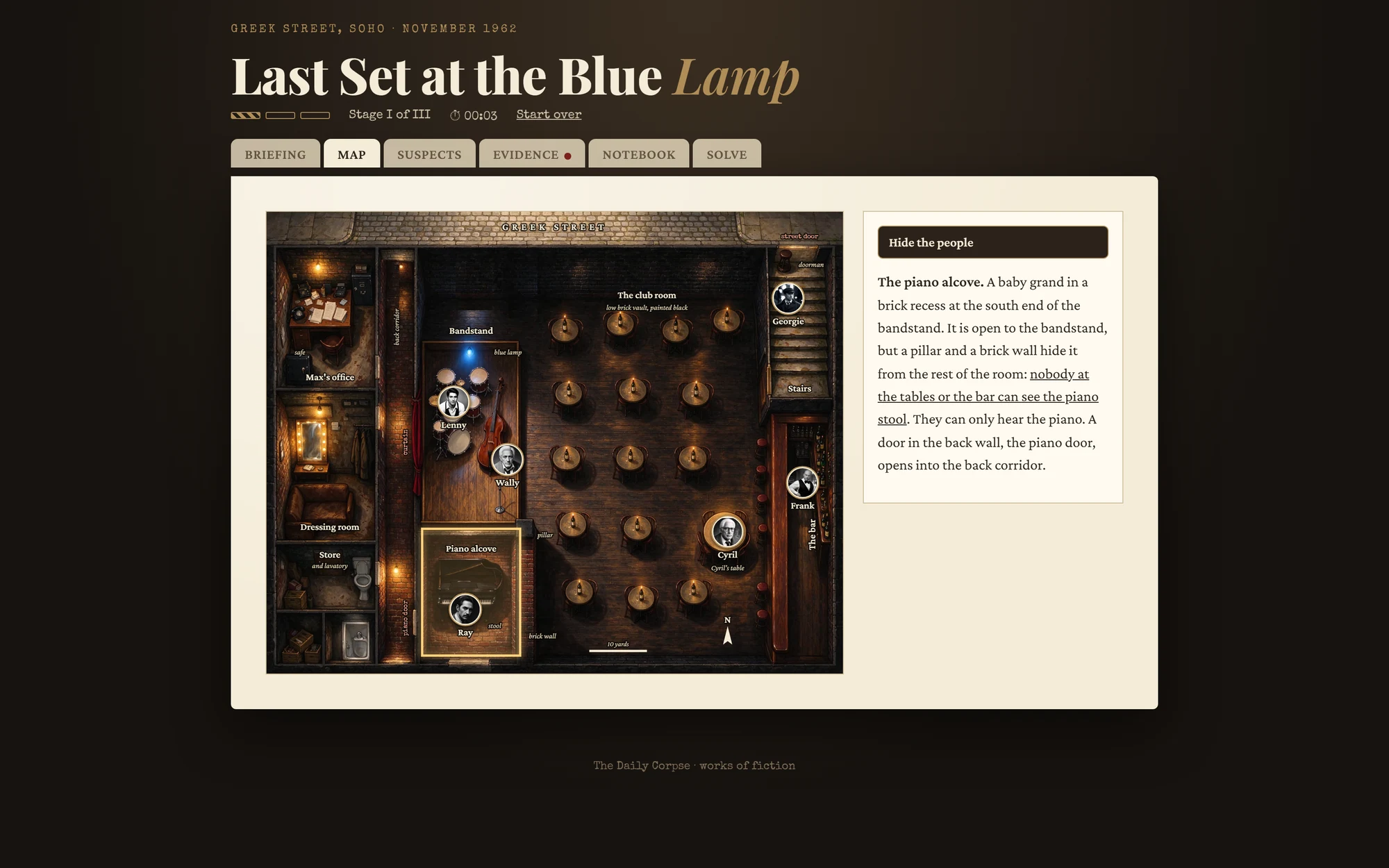
Read the statements, study the floor plan and crack a hands-on puzzle. Each stage is encrypted, and only the right answer unlocks the next one, so there's no peeking at the solution.
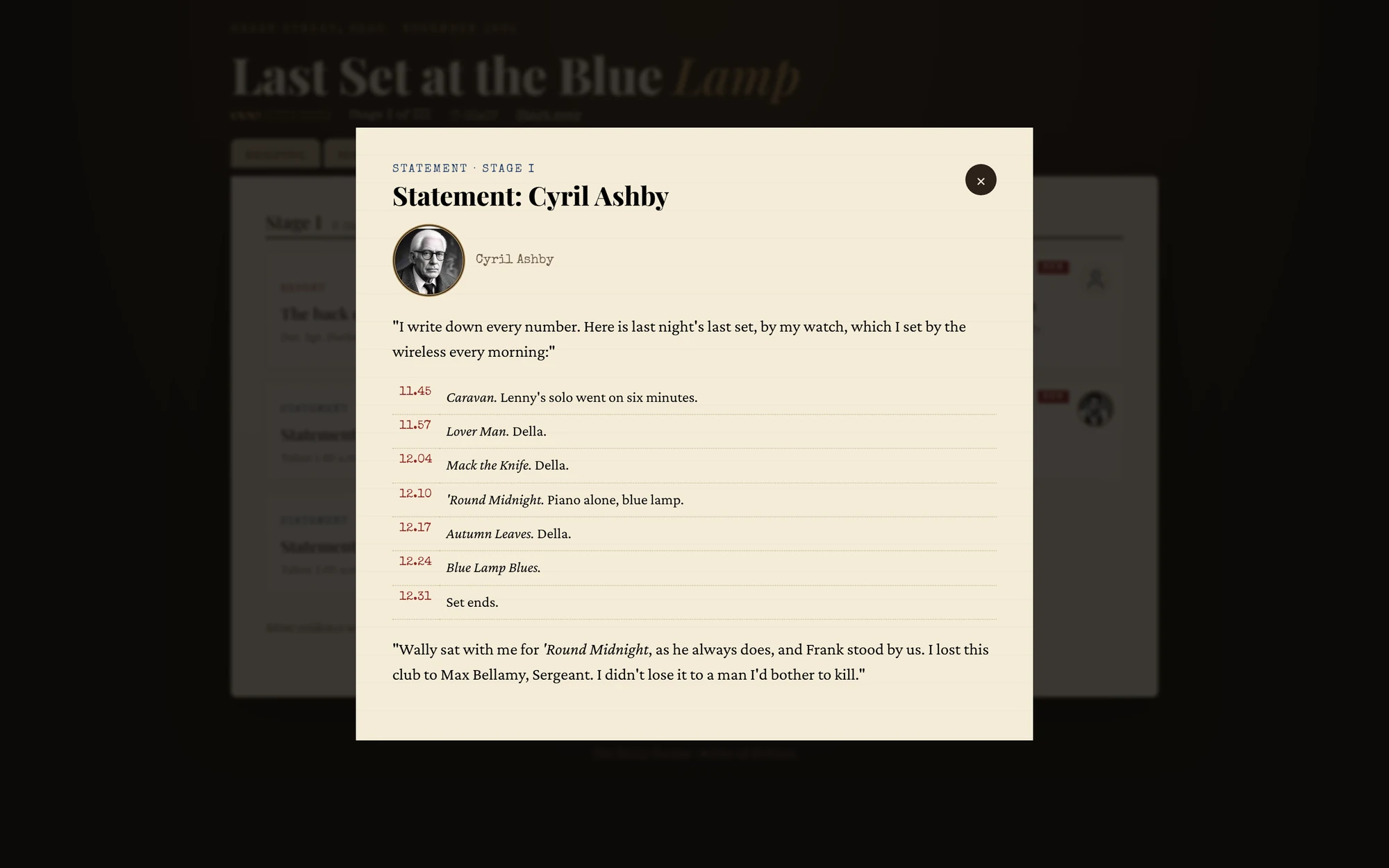
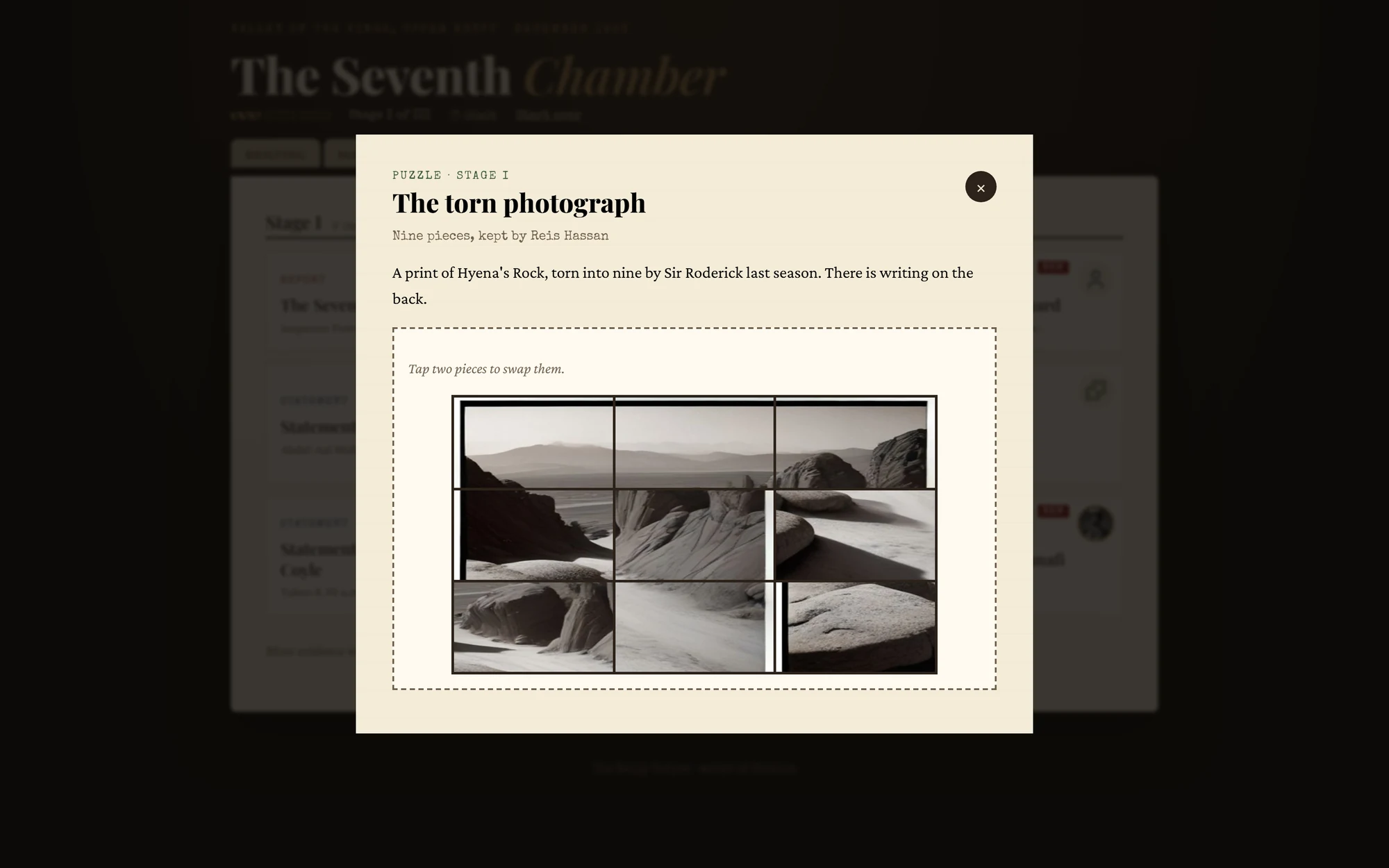
I made it so my girlfriend and I could have a fun activity to do together without having to keep buying murder mystery packs from Kmart every week for $30 a pop. Each case takes about ten minutes, and the puzzles include a Morse code message, a torn photograph and a code hidden in sheet music. Crack a case to earn up to three stars and open the next one on the trail. Most of these screenshots are from the jazz club case, “Last Set at the Blue Lamp”.
Built with game and story design, AI-generated art, encrypted stages and JavaScript.
A regular's notebook times every song, which pins down when the murder happened.Another case: rebuild a torn photograph, then read the back.
Also built
Class Allocations
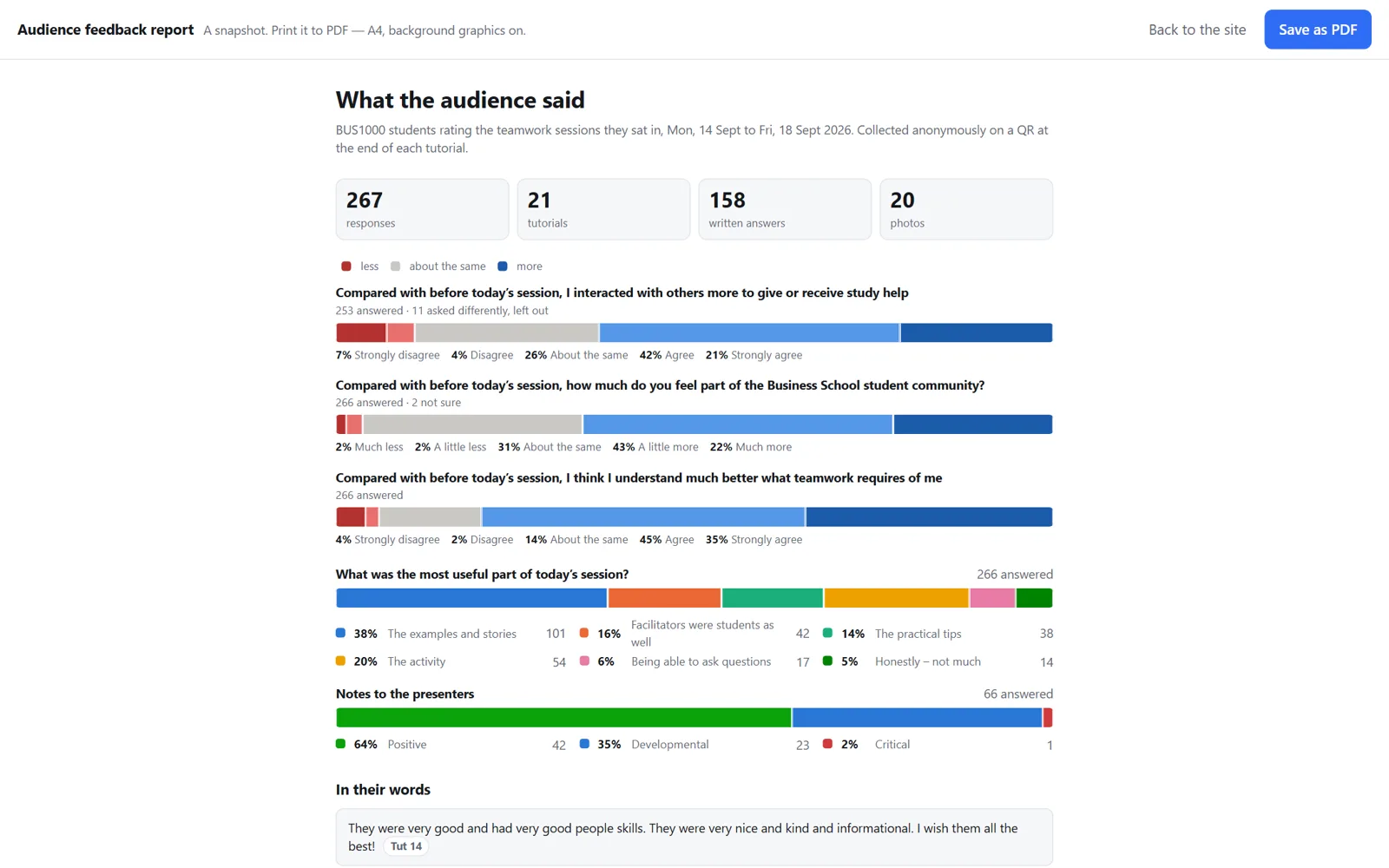
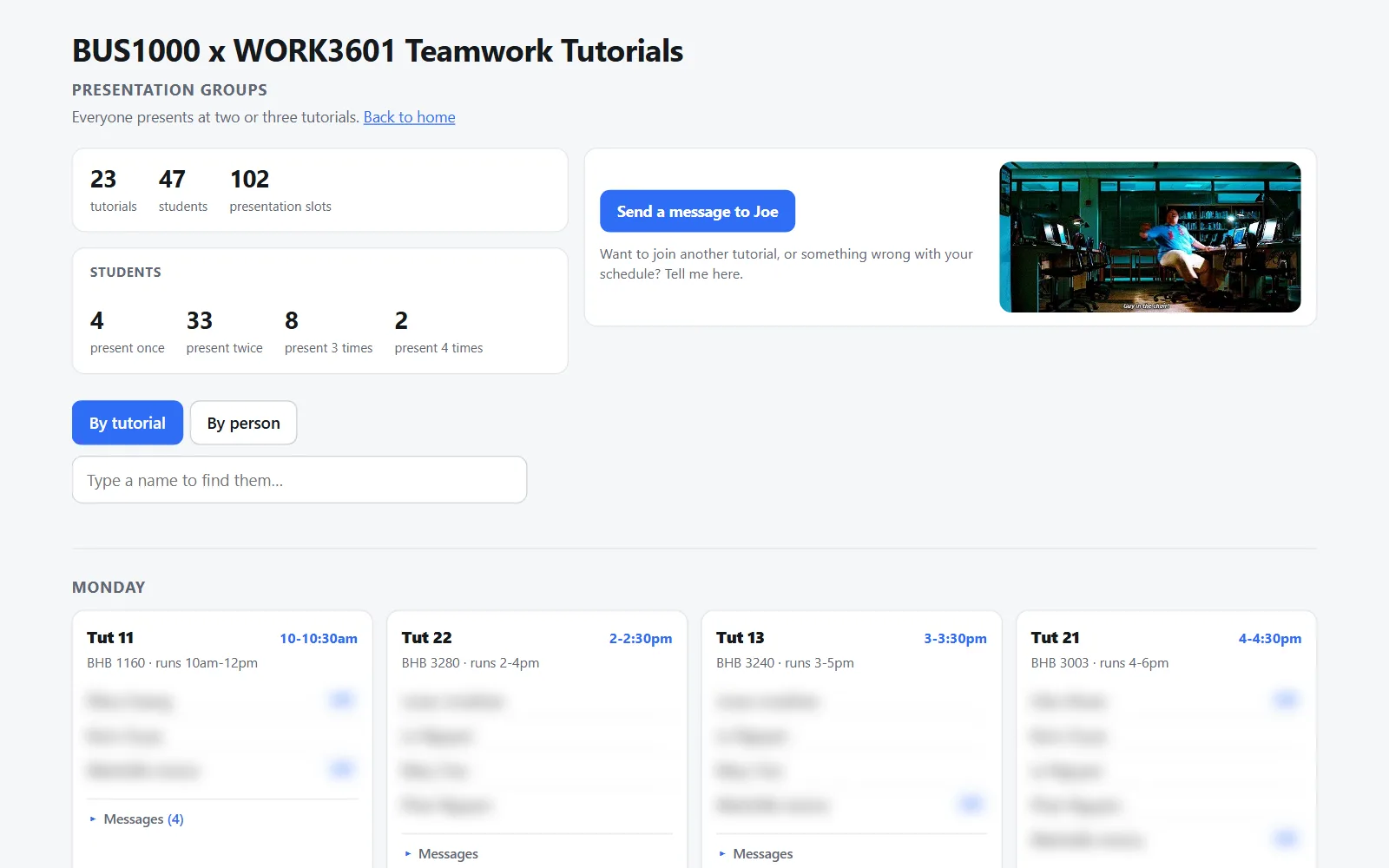
My classmates and I ran workshops for every class of a first-year subject. A script I built placed 47 of us into 102 presentation slots across 23 classes with no clashes. The site then collected 267 anonymous audience responses by QR code and turned them into a report.
Read more
In a third-year subject at university, my classmates and I had to run workshops for all the classes of a first-year subject. That meant sending 47 of us into 23 classes over one week, in groups of three to six, with most of us presenting twice. Students picked the times they could make, and a script I built split us into groups so nobody was given a class they couldn't attend and nearly every group had an experienced presenter. The site also gathered anonymous audience feedback by QR code, turned 267 responses into a report, and gave my classmates a place to post pictures and updates during the week.
Built with a scheduling algorithm, a live database, a feedback survey and report, Node.js and Supabase.
I haven't shared the link, to protect my classmates' names.
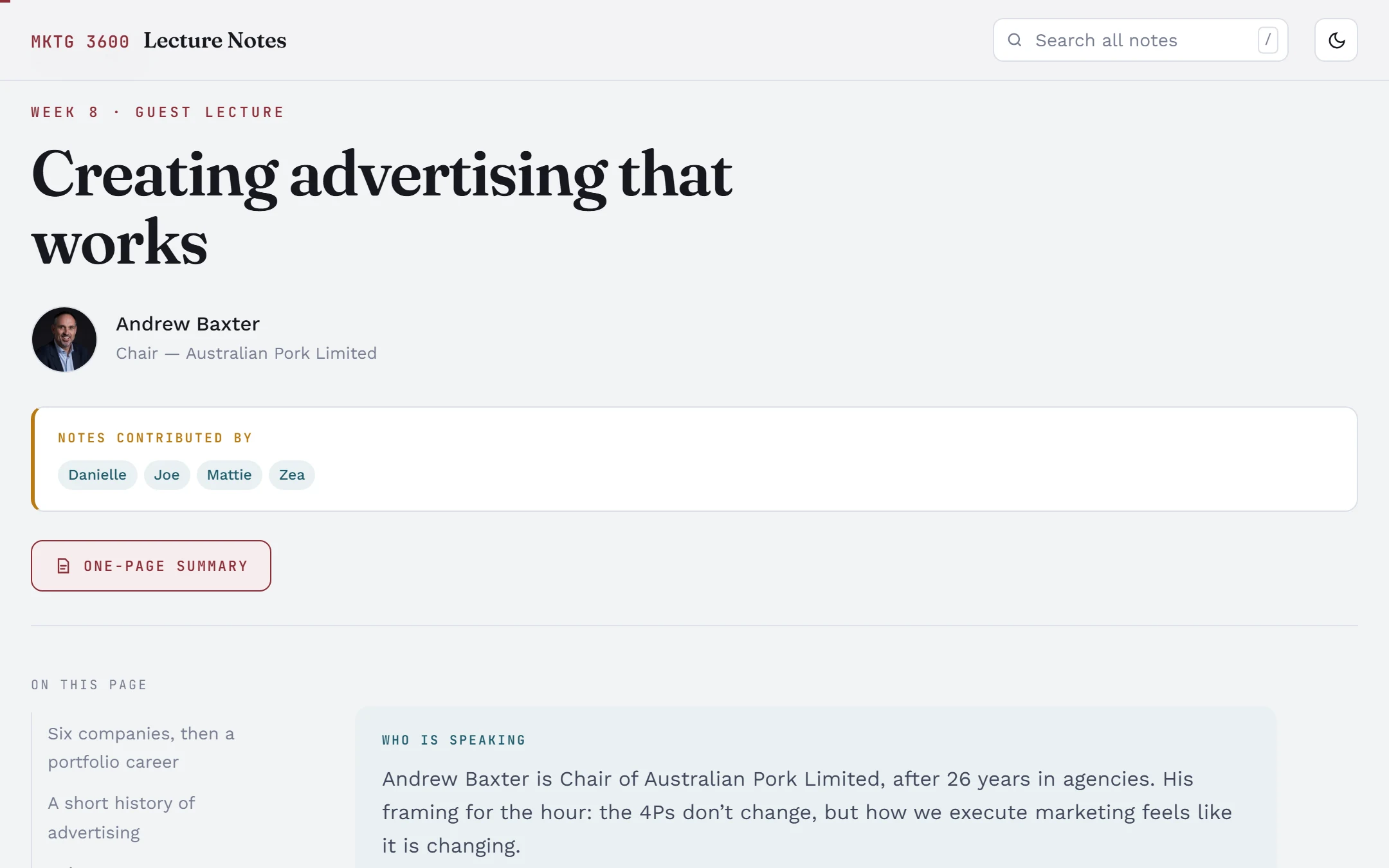
A marketing capstone unit where the guest lectures are assessable, but they aren't recorded and we're not allowed to record them, so all we have is our own notes. To get around that, the whole class pastes notes into one Google Doc, and Claude merges them into one write-up per lecture.
Read more
This is a third-year unit at the University of Sydney, with a different guest lecturer each week, and the slides aren't shared either. I set up the Google Doc so my classmates and I all get a full set of notes. I then use Claude to merge them into one write-up and a one-page summary of each lecture, and publish them to the notes site.
Built with crowd-sourced content, AI summarising and merging, full-text search, and HTML, CSS and JavaScript.
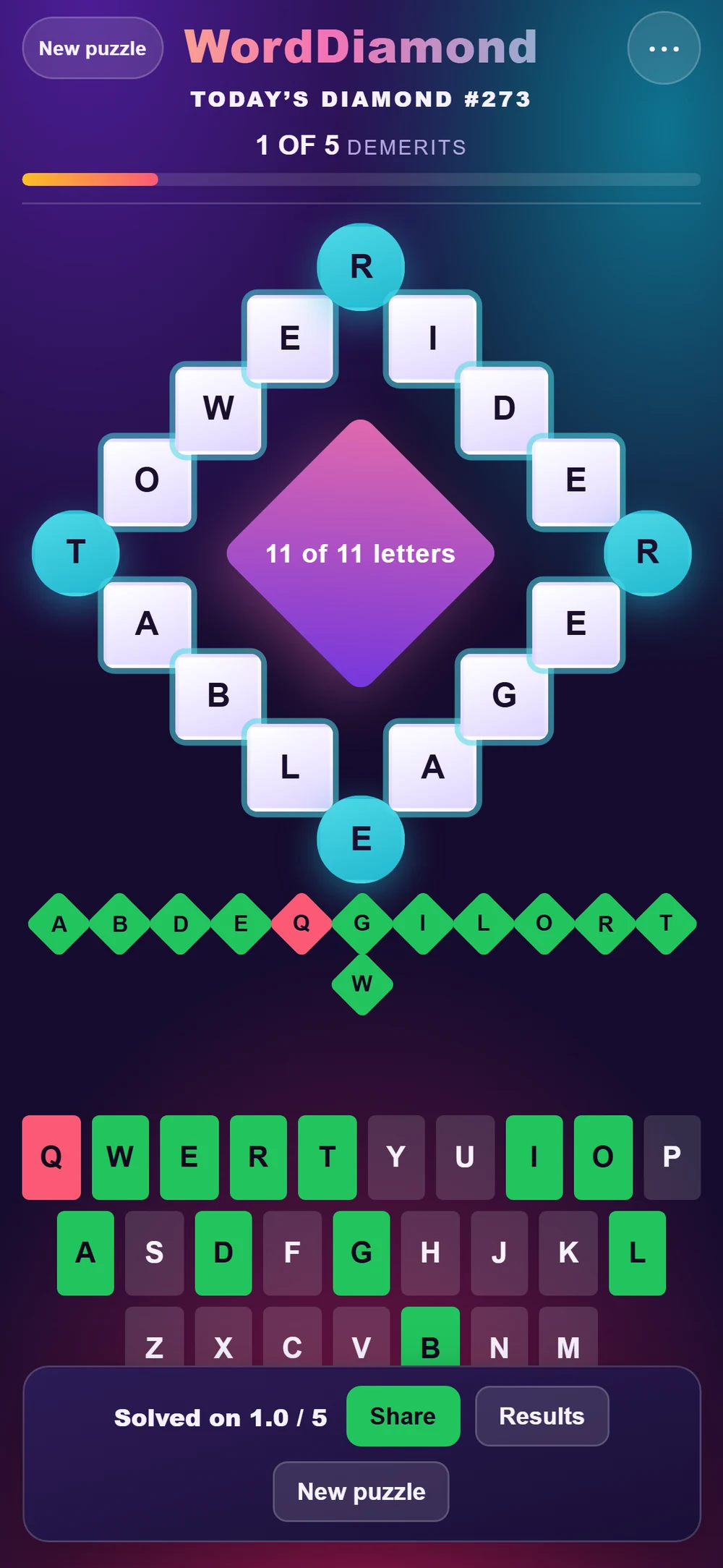
A daily word puzzle played one letter at a time. Four words lock into a diamond, and every phone builds the same board from the date.
Read more
Four five-letter words are locked into a diamond, sharing their corner letters. You guess single letters, never whole words. A right letter lights up everywhere it appears, and a wrong one costs you a demerit. Fill the diamond before you run out of chances. There's a new puzzle every day, a random one whenever you want another, and three difficulty levels.
Built with game design, a puzzle generator and JavaScript. It installs on your phone.
 Joseph Hoffmann